Pool care in Santa Rosa is not always the same from month to month. The way your pool looks and feels can change depending on the season, the weather, the amount of debris around your yard, and how often your water is being tested and balanced.
Santa Rosa homeowners get a little bit of everything. Warm, dry summers can increase chemical demand and evaporation. Cooler, wet winters can dilute pool water and bring more debris into the pool. Spring often brings pollen, leaves, and organic material that can affect water clarity. Even mild weather can create problems if the pool is not being cleaned and balanced consistently.
That is why regular pool maintenance in Santa Rosa, CA matters. A pool may look fine one week and start turning cloudy or green the next if water chemistry, filtration, and circulation are not being monitored. At SWIMREADY Pool Service, we help local homeowners keep their pools clean, balanced, and ready to enjoy with dependable maintenance designed for the conditions we see throughout Sonoma County.
Why Local Weather Matters for Pool Maintenance
Pool water is constantly reacting to its environment. Sunlight, temperature, rain, wind, leaves, pollen, and pool usage can all affect the balance of the water.
In Santa Rosa, pool owners often deal with seasonal changes that can make maintenance more demanding at certain times of year. A pool surrounded by trees in Bennett Valley may need more debris removal after windy weather. A backyard pool in Rincon Valley or Oakmont may need more attention during hot stretches when water evaporation increases. Pools in nearby Sonoma County communities can also experience different debris loads depending on landscaping, shade, and surrounding vegetation.
The key is consistency. When pool cleaning and water chemistry are handled regularly, small changes are easier to catch before they become bigger problems.
How Warm, Dry Summers Affect Pool Water
Santa Rosa summers are one of the biggest reasons homeowners need steady pool care. Warm weather usually means more pool use, more sunlight, and faster changes in water chemistry.
Chlorine Can Burn Off Faster
During warm, sunny weather, chlorine can break down more quickly. When sanitizer levels drop too low, algae and bacteria have a better chance to grow. This is one reason a pool can look clear one day and start looking dull or cloudy a few days later.
Regular testing helps make sure sanitizer levels stay in the proper range. It also helps prevent overcorrecting with chemicals, which can create new water balance issues.
Evaporation Can Concentrate Minerals
In hot, dry weather, pool water evaporates faster. When water evaporates, minerals and dissolved solids are left behind. Over time, this can affect calcium hardness, pH, alkalinity, and overall water balance.
Homeowners may notice scaling on tile, cloudy water, or rough-feeling surfaces when water balance is off. Consistent maintenance helps reduce these issues by keeping water levels, chemistry, and filtration in check.
More Pool Use Means More Contaminants
Summer usually means more swimming, more sunscreen, more body oils, and more organic material entering the pool. Even when the water looks clean, these contaminants can affect sanitizer demand and filter performance.
A good weekly pool service routine should include water testing, chemical balancing, skimming, brushing, basket cleaning, and a basic equipment check. These steps work together to help the pool stay clear during heavy-use months.
How Rain Affects Pool Chemistry in Santa Rosa
Rain may seem like clean water, but it can still change pool chemistry. In Santa Rosa, the wetter months can dilute chemicals, lower or shift pH, raise water levels, and wash dirt or debris into the pool.
Rain Can Dilute Sanitizer
When rainwater enters the pool, it can reduce sanitizer concentration. If chlorine drops too low after a storm, algae can begin forming, especially if debris is also sitting in the water.
This does not always mean the pool will turn green immediately. Sometimes the first sign is water that looks flat, hazy, or slightly cloudy. Testing after rainy weather is one of the simplest ways to stay ahead of bigger problems.
Storm Debris Adds Organic Load
Leaves, pollen, dirt, and small branches can end up in the pool during rain and wind. As organic debris breaks down, it can consume sanitizer and place more demand on the filter.
Homeowners should remove large debris as soon as possible after a storm. Emptying skimmer baskets and pump baskets is also important because clogged baskets can restrict circulation and make the equipment work harder.
High Water Levels Can Affect Skimming
When the pool water level gets too high, the skimmer may not work as effectively. Proper skimming depends on water flowing correctly through the skimmer opening. If the water level is above the ideal range, surface debris may not be pulled in as efficiently.
After heavy rain, it is a good idea to check the water level and make sure the pool is still circulating properly.
Spring Pollen, Leaves, and Organic Debris
Spring in Sonoma County can be beautiful, but it can also be tough on pools. Pollen, blossoms, leaves, seeds, and small debris can collect on the water surface and along the tile line.
Pollen Can Make Water Look Dull
Pollen can create a yellowish film or dusty layer on the surface of the water. It can also settle in corners, steps, and along the pool floor. If not removed, it adds organic material that can increase sanitizer demand.
Regular brushing and skimming are especially helpful during spring. Brushing helps move buildup into circulation so the filter can capture it, while skimming removes material before it breaks down in the water.
Landscaping Affects Pool Cleaning Needs
Two Santa Rosa pools can have very different maintenance needs. A pool near oak trees, redwoods, or heavy landscaping may collect more leaves and debris than a pool with a more open backyard. Wind patterns, shade, and surrounding plants all play a role.
That is why pool service should not be one-size-fits-all. The right maintenance routine depends on the pool’s size, equipment, landscaping, usage, and exposure to the weather.
Why Cloudy Water Happens After Weather Changes
Cloudy pool water is one of the most common issues homeowners notice after heat, rain, wind, or heavy pool use. It usually means something in the pool system is out of balance.
Common causes include:
- Low sanitizer levels
- Poor circulation
- Dirty or overloaded filters
- High pH or alkalinity
- Fine debris or pollen in the water
- Early algae growth
- Heavy swimmer load
Cloudy water is easier to correct when it is caught early. Waiting too long can allow algae to spread, which may require more intensive cleaning and chemical treatment.
If your pool water in Santa Rosa keeps turning cloudy even after adding chemicals, the issue may not be chemicals alone. The pool may need filter cleaning, better circulation, brushing, or a more complete water chemistry adjustment.
The Role of Filter Cleaning in Santa Rosa Pool Care
Your pool filter plays a major role in keeping water clear. It captures dirt, debris, pollen, and other small particles as water circulates through the system. When the filter becomes dirty or clogged, water clarity and circulation can suffer.
Signs Your Pool Filter May Need Attention
A filter may need cleaning if you notice:
- Weak return flow
- Cloudy water
- Pressure changes on the filter gauge
- Debris returning to the pool
- Algae coming back quickly after treatment
- The pool taking longer to clear after storms or heavy use
In Santa Rosa, filter cleaning can be especially important after spring debris, summer pool use, and stormy weather. A clean filter helps the entire system work more efficiently and supports better water clarity.
Algae Prevention Starts Before the Pool Turns Green
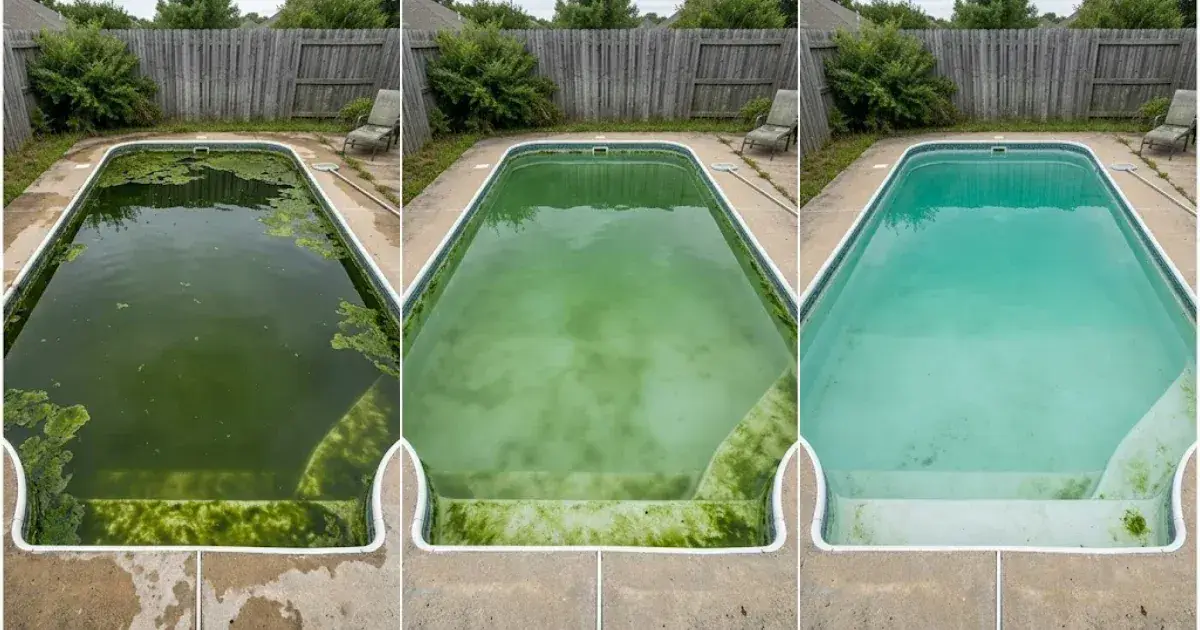
Green pool water is usually the result of several problems happening at once. Low sanitizer, poor circulation, warm temperatures, sunlight, debris, and dirty filters can all contribute to algae growth.
The best approach is prevention. Once a pool turns green, it often takes more time, chemicals, brushing, filtration, and cleanup to bring it back.
Simple Ways to Help Prevent Algae
Homeowners can help reduce algae risk by keeping the pool on a consistent cleaning schedule, removing debris between service visits, checking that the pump is running properly, and calling for help when the water first starts looking cloudy or dull.
Professional weekly service adds another layer of protection because the pool is being checked regularly. When chemistry, brushing, skimming, and equipment inspections are part of the routine, algae is less likely to get ahead of the pool owner.
Pool Equipment Also Responds to Weather
Weather does not only affect the water. It can also impact the pool equipment.
Heat can make pumps and motors work harder, especially when baskets are full or filters are dirty. Rain and debris can affect equipment areas if leaves, dirt, or standing water collect around the system. A small circulation issue can quickly turn into a water clarity issue if it is not caught.
During regular maintenance, equipment checks are important because they help identify visible problems early. Pumps, filters, valves, chlorinators, and automation systems all play a role in keeping the pool clean and balanced.
Practical Pool Care Tips for Santa Rosa Homeowners
Homeowners do not need to become pool chemistry experts, but a few simple habits can make a big difference between service visits.
Skim After Windy Days
If leaves or debris collect on the surface, remove them before they sink. This helps reduce staining, organic buildup, and sanitizer demand.
Empty Baskets Regularly
Full skimmer and pump baskets can restrict water flow. Good circulation helps chemicals distribute evenly and helps the filter do its job.
Watch for Early Water Changes
Cloudy, dull, foamy, or slightly green water should not be ignored. These are often early warning signs that the pool needs attention.
Keep the Water Level in Range
Water that is too low can affect the skimmer and pump. Water that is too high can reduce skimming performance. After hot weather or rain, check the level.
Do Not Rely on Looks Alone
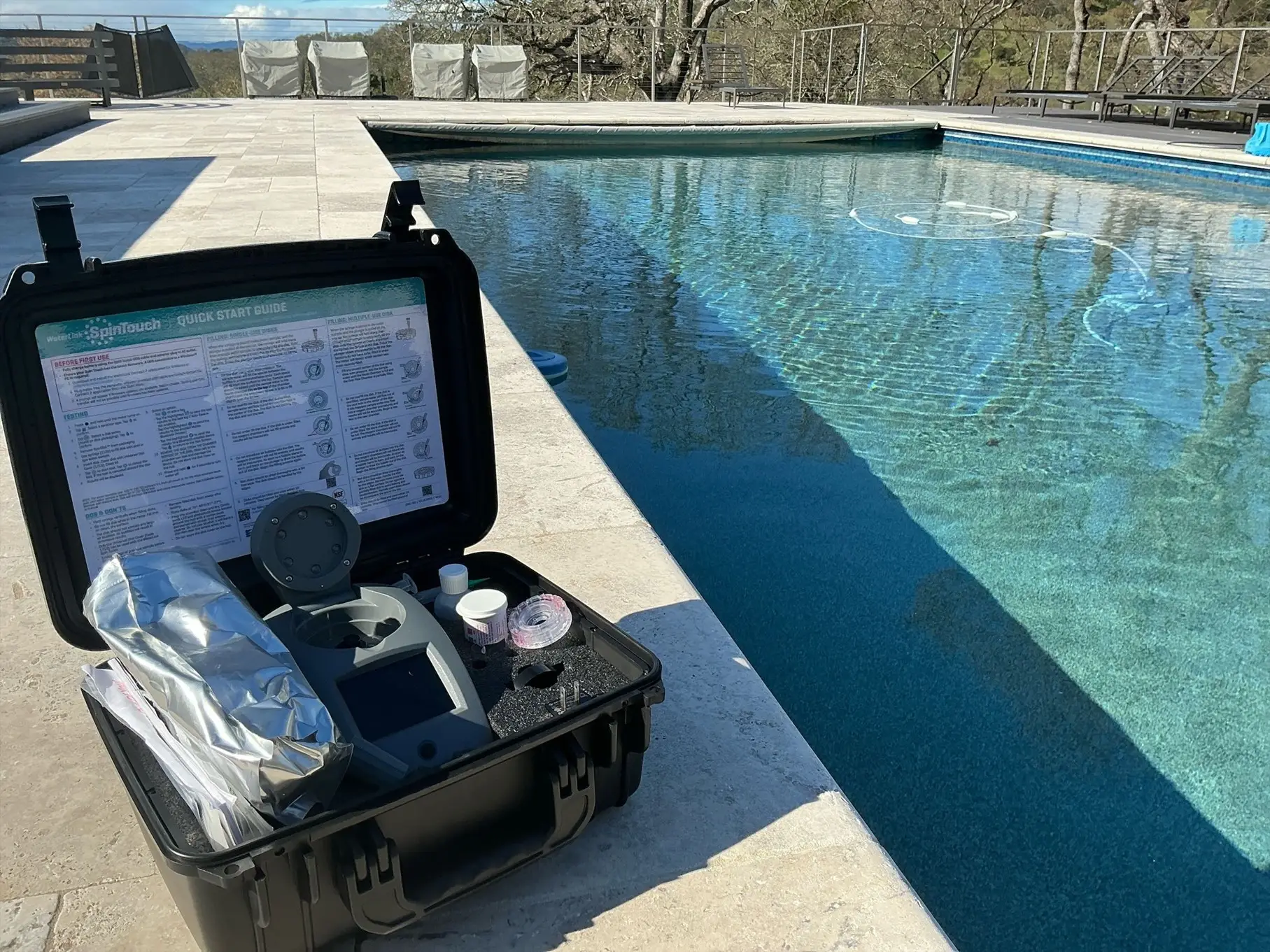
Clear water does not always mean balanced water. Testing is the only way to know whether sanitizer, pH, alkalinity, and other levels are where they should be.
Why Weekly Pool Service Works Well in Santa Rosa
Because Santa Rosa weather changes throughout the year, weekly pool service gives homeowners a dependable routine. Instead of reacting to algae, cloudy water, or debris buildup after problems appear, weekly maintenance helps keep the pool in better condition over time.
A professional pool service can test and balance the water, skim the pool, brush walls and steps, vacuum as needed, empty baskets, check basic equipment operation, and look for signs that something needs attention.
For homeowners, this means less guesswork and more peace of mind. You still get to enjoy your backyard pool, but you do not have to manage every chemical change, filter concern, or weather-related issue on your own.
Trust SWIMREADY Pool Service for Local Pool Maintenance
SWIMREADY Pool Service understands the day-to-day pool care needs of Santa Rosa and nearby Sonoma County homeowners. From warm summer weather to rainy winter weeks, local conditions can change what your pool needs.
Our goal is to help keep your pool clean, clear, balanced, and ready to enjoy with dependable service and honest communication. Whether you need ongoing weekly pool service, help with cloudy water, filter cleaning, equipment care, or green pool recovery, SWIMREADY Pool Service is here to help.
Ready for Easier Pool Care in Santa Rosa?
If your pool is getting harder to keep clear, your chemistry keeps changing, or you simply want reliable help maintaining your pool, contact SWIMREADY Pool Service today. We will help you understand what your pool needs and recommend a maintenance plan that fits your home, your pool, and the local conditions here in Santa Rosa.
Call SWIMREADY Pool Service to request a quote and get your pool on a consistent care schedule.